Why South Carolina attics need this
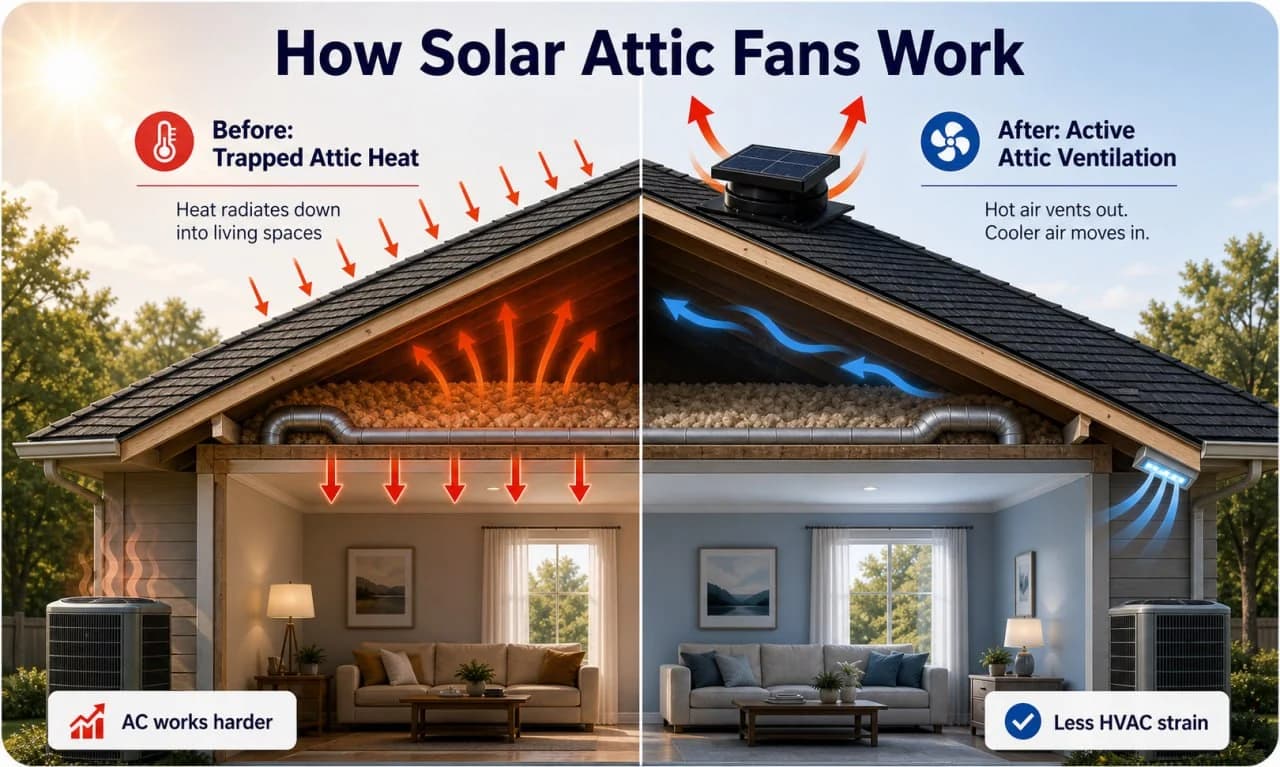
South Carolina splits into two attic problems separated by about 200 miles. The Lowcountry around Charleston, Beaufort, and Hilton Head sits in salt-marsh air with summer dew points parked in the mid 70s for weeks, and the humidity load on a roof here runs higher than almost anywhere else on the southeast coast. The Upstate around Greenville and Spartanburg runs a little drier and a degree cooler because of the Piedmont elevation, but it still beats anything you would call dry. Attic probes in Mount Pleasant and West Ashley routinely read 138°F to 140°F by 4pm in July, and Greenville attics are right behind at 132°F to 136°F the same afternoon.
The other thing that sets South Carolina apart is the hurricane track. Hugo flattened parts of the coast in 1989, Matthew sideswiped Charleston in 2016, and Florence dumped on the Pee Dee in 2018. A roof penetration in this state has to be mounted to the wind zone or it becomes a liability the next storm offshore.
What we install
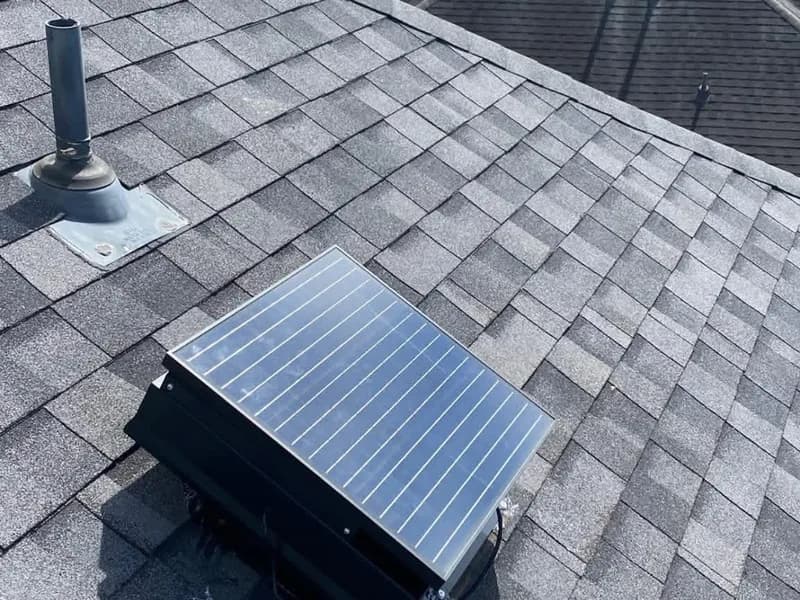
You get one 30W solar attic fan, sized for a South Carolina home, paired with an authorized installer who handles the install. The solar panel is built into the housing, and the housing itself is corrosion-resistant aluminum because salt-marsh air will eat cheap steel hardware inside one Lowcountry summer. If your home sits anywhere from Myrtle Beach down through Beaufort, that aluminum housing is the deciding piece of hardware.
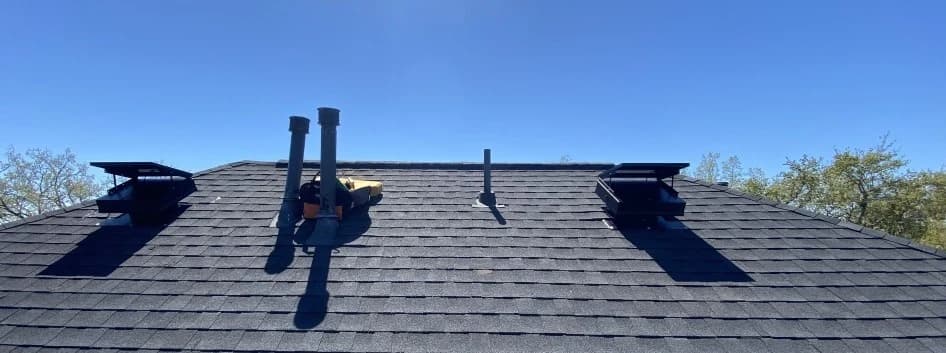
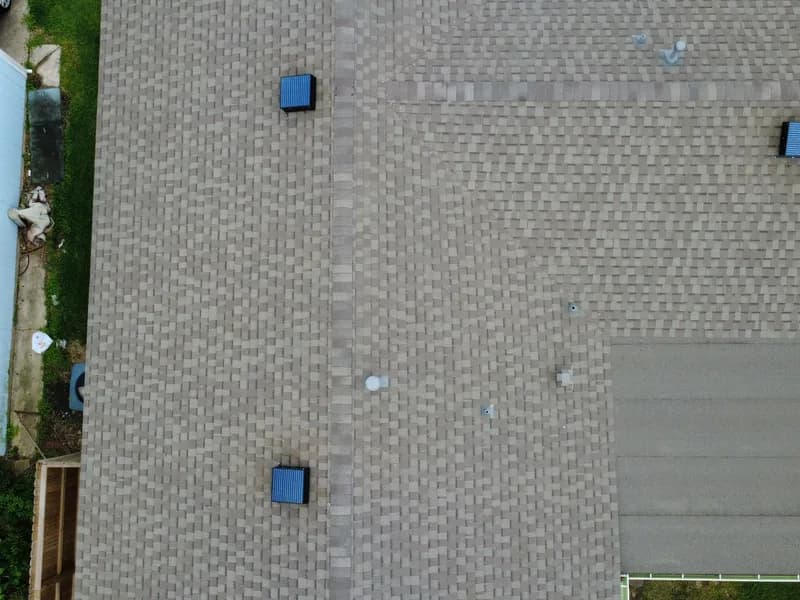
The installer mounts the unit on the back slope so it stays hidden from the street, which matters for Charleston historic district rules on the peninsula and for the line-of-sight covenants in newer Mount Pleasant and Bluffton master-planned builds. For Lowcountry installs we use hurricane-rated mounting hardware tied to the wind zone the home sits in, which on a Charleston barrier island is a real conversation, not a checkbox. They cut a clean opening, seal it for wind-driven storm rain, run a thermostat and a humidistat, and tie off the flashing. Professional install in a single visit. No electrician, no new circuit.
What you'll save
The average South Carolina home uses about 13,900 kWh per year, with the cooling load stacked from late April through October because the Lowcountry shoulder season runs longer than the Upstate one. A typical summer power bill in Charleston or Columbia sits near $220 in July or August, and a real piece of that is your AC fighting humid attic air coming down through the bedroom ceilings.
Owners who put a solar attic fan on a South Carolina home usually see a 15 to 25 percent drop in summer cooling cost (per U.S. Department of Energy residential cooling-load guidance). On a $220 August bill, that is $33 to $55 back that month. The payoff reads differently by region. In the Lowcountry the humidistat does as much work as the thermostat, pulling marsh air off the joists before it can feed mildew. In the Upstate around Greenville the headline is straight energy savings and shingle life, because Piedmont attics cook the deck plywood without the same humidity penalty.
Real South Carolina install scenarios
Mount Pleasant, Old Village. A 1960s low-country single off Pitt Street, three blocks from the harbor side, with original soffit vents and a metal seam roof patched after Matthew brushed past in 2016. The owner kept her thermostat at 76°F but the back master sat at 84°F by 6pm and her July Dominion Energy bill had climbed to $258. Attic probe read 139°F at 4pm on a 91°F afternoon, and the closet behind the master had a persistent musty smell from the marsh-side humidity. The installer used coastal-grade aluminum mounting tied to the local hurricane wind zone, set the fan on the rear slope facing away from Shem Creek, and the humidistat carried most of the load. Within ten days the probe read 112°F at the same hour, and the closet smell was gone by week two.
Greenville, Augusta Road. A 1940s brick traditional under heavy hardwood shade with composite shingles, a 13-year-old roof, and a long unbroken attic run over the second floor. The owner's complaint was not the worst hour of the day, it was that the upstairs guest room sat at 81°F at 10pm with the AC running on a 92°F Piedmont afternoon. Attic was holding 134°F at 5pm and not letting go. We placed the fan on the back slope above the side porch where the canopy thinned out enough to catch real sun, and his August Duke Energy bill dropped from $231 to $171.
Myrtle Beach, Carolina Forest. A newer two-story stucco home in a Grand Strand master-planned HOA with an architectural review board that bans visible roof equipment from any street-facing slope. Attic probe read 137°F in early August, and the upstairs bonus room above the three-car garage sat at 86°F by 7pm even with the AC running hard. We routed placement past the HOA, set the fan on the rear slope above the garage well below the ridge, and tied the mounting to the Horry County coastal wind zone. The owner texted a week later that the bonus room finally hit setpoint before 9pm, and the AC quit running through the night.
Installed by South Carolina authorized installers
Newer master-planned HOAs in Mount Pleasant, Bluffton, and along the Grand Strand have placement covenants so the unit cannot be seen from the street. Our installers default to back-slope placement, which clears almost every covenant we have seen. Coastal homes from Beaufort up through Horry get hurricane-rated mounting tied to the wind zone.